

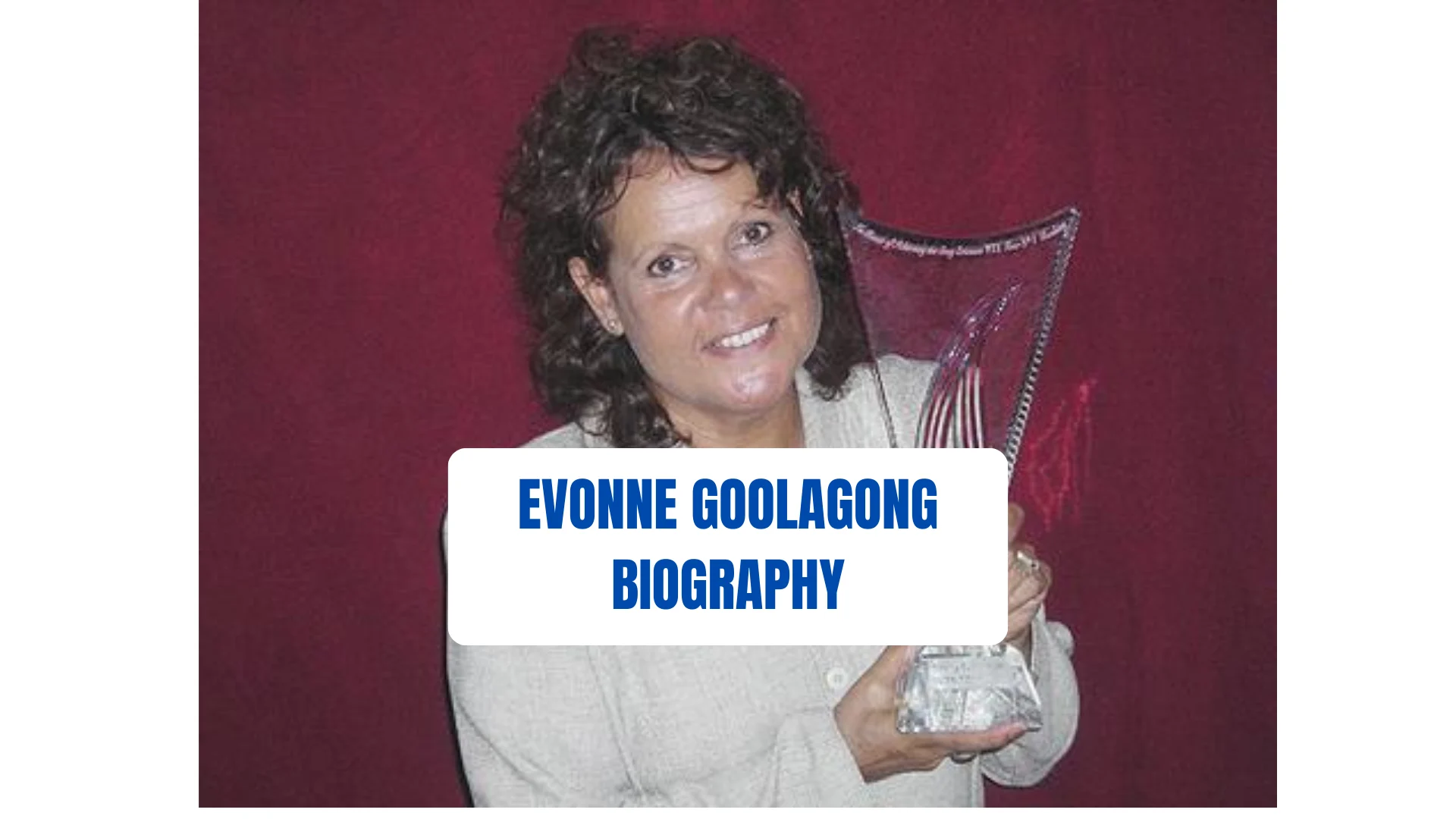
Evonne Fay Goolagong is one of the greatest tennis players in the history of Australia and a global icon of perseverance, talent, and cultural pride.
Born into humble circumstances and rising to dominate the international tennis scene, Goolagong’s story is not only about sporting excellence but also about breaking social barriers and inspiring generations of Indigenous athletes around the world.
She is celebrated for her graceful playing style, mental toughness, and remarkable achievements, including multiple Grand Slam titles and a long-lasting impact on tennis. Evonne Goolagong remains a symbol of hope and determination, especially for Indigenous Australians, proving that greatness can emerge from even the most challenging beginnings.
Early Life and Background
Evonne Goolagong was born on July 31, 1951, in Griffith, New South Wales, Australia. She grew up in the small rural town of Barellan as the third of eight children in an Indigenous Australian family belonging to the Wiradjuri people. Her parents worked as shearers and laborers, and the family lived modestly, often facing social and economic hardships.
From a very young age, Evonne showed a natural talent for sports. She was energetic, athletic, and highly coordinated. Tennis, however, was not easily accessible in her community. Courts and equipment were scarce, and opportunities for Indigenous children were limited during that era. Despite this, Evonne practiced tirelessly, often hitting balls against walls or using makeshift racquets.
Her talent did not go unnoticed. Local residents observed her extraordinary skills and dedication, and soon her abilities attracted wider attention.
Discovery and Training
Evonne’s life changed when she was discovered by tennis coach Vic Edwards, who recognized her exceptional potential. He arranged for her to move to Sydney to receive professional training. This transition was difficult, as she had to leave her family and adapt to a completely new environment.
In Sydney, Goolagong trained intensively under structured coaching programs. She honed her footwork, shot accuracy, and tactical understanding of the game. Her natural agility combined with professional guidance transformed her into a competitive junior player within a short time.
She quickly rose through the junior ranks, winning multiple state and national titles. Her success demonstrated that she was not only talented but capable of competing on the world stage.
Professional Tennis Career
Evonne Goolagong turned professional in the late 1960s and soon became a dominant force in women’s tennis. Known for her smooth movement and effortless shot-making, she captivated fans with her elegance and calm demeanor on the court.
Her playing style was marked by:
- Exceptional court coverage
- Powerful and precise groundstrokes
- Quick reflexes at the net
- Strong mental focus under pressure
These qualities made her a formidable opponent against the best players of her generation.
Grand Slam Success
Evonne Goolagong won a total of 7 Grand Slam singles titles, an extraordinary achievement that secured her place among tennis legends.
Her Grand Slam titles include:
- French Open: 1971
- Wimbledon: 1971, 1980
- Australian Open: 1974, 1975, 1976, 1977
She also reached numerous finals and won multiple Grand Slam doubles and mixed doubles titles, making her one of the most versatile players in tennis history.
Winning Wimbledon in 1971 was especially significant, as she became the first Indigenous Australian to win a Grand Slam singles title. This victory symbolized a historic breakthrough for Indigenous representation in elite sports.
World Ranking and Achievements
In 1976, Evonne Goolagong achieved the world No. 1 ranking in women’s singles tennis. She remained among the top-ranked players for over a decade, demonstrating remarkable consistency and longevity.
Major career achievements include:
- 86 career singles titles
- Over 1,000 professional match wins
- 7 Grand Slam singles titles
- 6 Grand Slam doubles titles
- 4 Grand Slam mixed doubles titles
Her ability to remain competitive even after taking breaks from professional tennis, including after becoming a mother, showcased her exceptional resilience.
Motherhood and Career Comeback
One of the most inspiring chapters of Goolagong’s career was her return to top-level tennis after becoming a mother. In 1977, she gave birth to her daughter and took time away from professional competition.
Many believed her career at the highest level was over. However, she defied expectations by returning stronger than ever. In 1980, she won her second Wimbledon title, becoming one of the few women in tennis history to win a Grand Slam after motherhood.
This achievement inspired countless women athletes and reshaped perceptions about balancing family life with professional sports careers.
Personal Life
Evonne Goolagong married Roger Cawley, a former tennis player and her coach, in 1975. The couple has two children. Roger played a significant role in managing her career and supporting her on and off the court.
Despite her global fame, Goolagong remained grounded and deeply connected to her cultural roots. She often speaks about the importance of family, community, and cultural identity in her life.
Challenges and Discrimination
Growing up as an Indigenous Australian in the mid-20th century was not easy. Evonne faced racial discrimination and social barriers throughout her early life and career. Access to training facilities, funding, and equal opportunities was limited.
Yet, she never allowed these challenges to define her. Instead, she used them as motivation to succeed and to open doors for others who followed in her footsteps.
Her success helped challenge stereotypes and paved the way for greater inclusion of Indigenous Australians in professional sports.
Legacy and Impact
Evonne Goolagong’s legacy goes far beyond her trophies and titles. She is remembered as a trailblazer who changed the face of Australian tennis and inspired social progress.
Her impact includes:
- Breaking racial and cultural barriers in professional sports
- Inspiring Indigenous athletes worldwide
- Promoting gender equality in tennis
- Advocating for youth development and education
She remains a role model for perseverance, humility, and excellence.
Honors and Recognition
Goolagong has received numerous honors for her contributions to sport and society, including:
- Induction into the International Tennis Hall of Fame
- Australian of the Year (1971)
- Order of Australia (AO)
- Recognition as one of the greatest Australian athletes of all time
Her name is synonymous with greatness and national pride.
Evonne Goolagong Today
Today, Evonne Goolagong is actively involved in promoting tennis among young people, especially within Indigenous communities. She supports development programs that encourage participation in sports and education.
Her life story continues to inspire books, documentaries, and educational programs around the world.
FAQs
1. Who is Evonne Goolagong?
Evonne Goolagong is a former Australian professional tennis player and one of the greatest female athletes in history, known for her 7 Grand Slam singles titles.
2. How many Grand Slam titles did Evonne Goolagong win?
She won 7 Grand Slam singles titles, along with several doubles and mixed doubles championships.
3. Was Evonne Goolagong the first Indigenous Australian Grand Slam champion?
Yes, she was the first Indigenous Australian to win a Grand Slam singles title.
4. Did Evonne Goolagong return to tennis after becoming a mother?
Yes, she famously returned and won Wimbledon in 1980 after becoming a mother.
5. What is Evonne Goolagong’s legacy?
Her legacy includes sporting excellence, breaking racial barriers, and inspiring Indigenous representation in global sports.
6. When was Evonne Goolagong ranked world No. 1?
She achieved the world No. 1 ranking in 1976.
Conclusion
Evonne Goolagong’s biography is a powerful story of determination, talent, and cultural pride. From her humble beginnings in rural Australia to becoming a world No. 1 tennis champion and Grand Slam legend, she overcame social barriers and personal challenges to make history.
Her journey symbolizes hope for marginalized communities and proves that greatness can emerge from any background. Evonne Goolagong is not only a tennis champion but also a cultural icon whose influence continues to shape sports and society.