

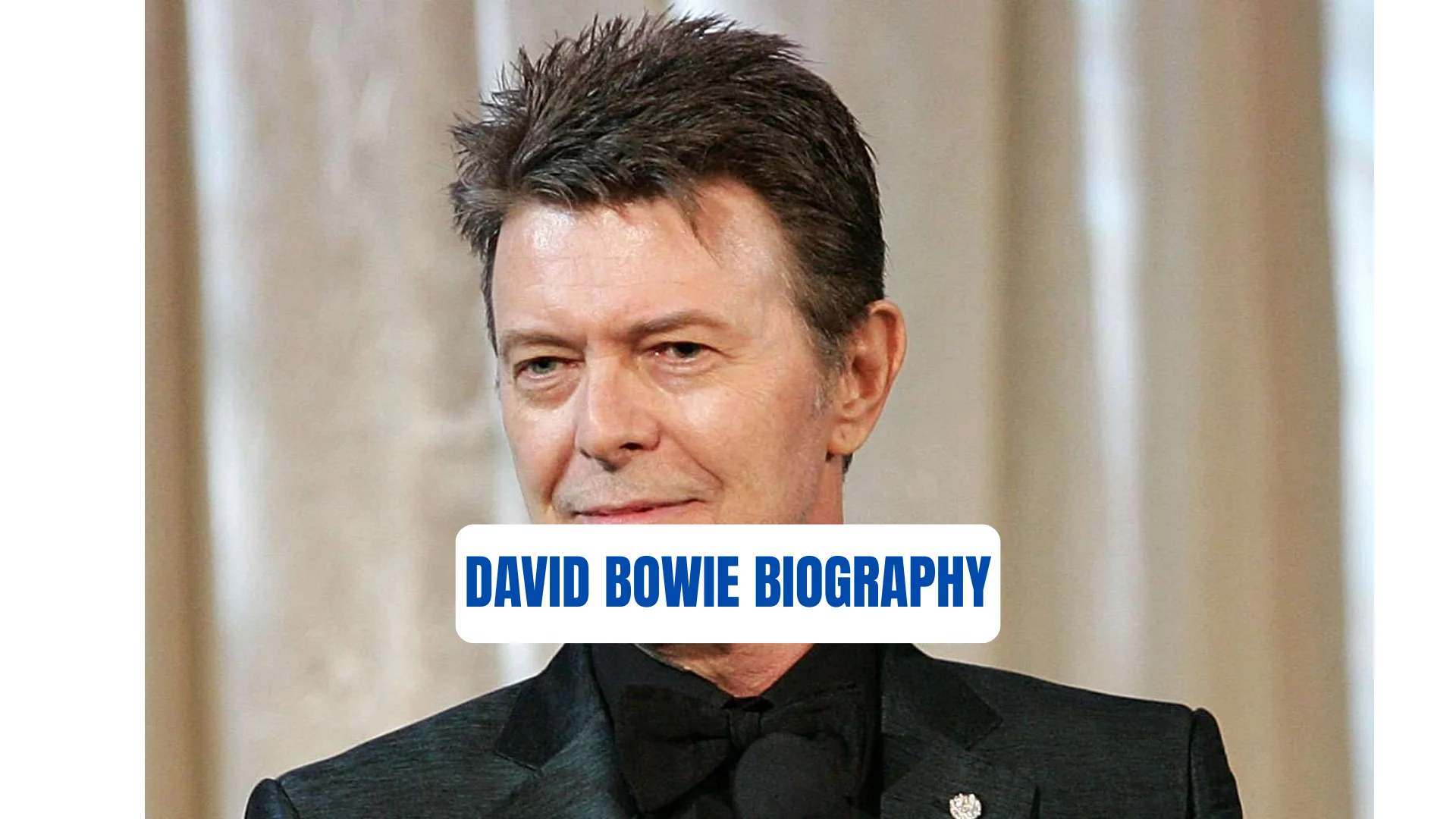
David Bowie remains one of the most influential and transformative figures in modern music and popular culture. Renowned for his constant reinvention, fearless creativity, and genre-defying artistry, Bowie reshaped the boundaries of music, fashion, performance, and identity. His career spanned over five decades, during which he evolved through numerous alter egos, musical styles, and artistic movements, leaving an indelible mark on generations of artists and fans worldwide.
Early Life and Background
David Bowie was born as David Robert Jones on January 8, 1947, in Brixton, London, England. He was raised in Bromley, Kent, where he developed an early fascination with music, art, and performance. Bowie’s interest in music was strongly influenced by American rock and roll, jazz, and rhythm and blues, as well as British skiffle and pop music.
During his teenage years, Bowie learned to play the saxophone and began performing in various bands. His early exposure to theater, mime, and avant-garde art would later shape his dramatic stage presence and conceptual approach to music.
The Origin of the Name “David Bowie”
To avoid confusion with Davy Jones of The Monkees, David Jones adopted the stage name David Bowie in the mid-1960s. The surname “Bowie” was inspired by the Bowie knife, symbolizing sharpness, individuality, and reinvention—qualities that would define his career.
Early Career and Initial Struggles
Bowie released his debut self-titled album David Bowie in 1967. While it did not achieve commercial success, it showcased his early experimentation with music and storytelling. His breakthrough came in 1969 with the release of “Space Oddity,” a haunting and imaginative song inspired by the space race. The track became a major hit in the United Kingdom and established Bowie as a rising talent.
Despite this success, Bowie continued to struggle for a consistent musical identity throughout the early 1970s. However, these challenges ultimately fueled his creative breakthroughs.
Ziggy Stardust and Global Stardom
In 1972, Bowie achieved international fame with the album The Rise and Fall of Ziggy Stardust and the Spiders from Mars. Introducing the flamboyant alien rock star Ziggy Stardust, Bowie revolutionized the concept of the music persona. Ziggy’s androgynous appearance, theatrical performances, and futuristic themes challenged social norms and redefined rock stardom.
This era solidified Bowie’s reputation as a visionary artist and cultural disruptor. Songs like “Starman,” “Suffragette City,” and “Rock ‘n’ Roll Suicide” became iconic anthems.
Constant Reinvention and Musical Evolution
Unlike many artists, Bowie refused to remain confined to a single style. Throughout the 1970s and 1980s, he transitioned seamlessly between genres, including glam rock, soul, funk, electronic, and experimental music.
Notable albums from this period include:
- Aladdin Sane (1973)
- Young Americans (1975)
- Station to Station (1976)
- Low, “Heroes”, and Lodger (the Berlin Trilogy)
The Berlin Trilogy, created in collaboration with Brian Eno, is widely regarded as some of Bowie’s most innovative work, influencing electronic, post-punk, and alternative music.
Acting Career and Other Artistic Ventures
In addition to music, David Bowie was a successful actor, appearing in films such as The Man Who Fell to Earth, Labyrinth, Merry Christmas, Mr. Lawrence, and The Prestige. His acting mirrored his musical approach—bold, unconventional, and deeply expressive.
Bowie was also a painter and art collector, deeply engaged with visual arts, literature, and fashion. His influence extended beyond sound into aesthetics and cultural philosophy.
Commercial Success in the 1980s
The 1980s marked Bowie’s most commercially successful period. Albums such as Let’s Dance produced global hits including “Let’s Dance,” “China Girl,” and “Modern Love.” While some critics viewed this era as more mainstream, Bowie continued to reach new audiences and maintain creative control.
Personal Life
David Bowie married Somali-American model Iman in 1992, and their relationship was widely admired for its strength and privacy. The couple had one daughter, Alexandria Zahra Jones. Bowie was also the father of filmmaker Duncan Jones from a previous marriage.
Despite his fame, Bowie maintained a relatively private personal life, especially in his later years.
Later Years and Final Masterpiece
After a period of relative silence, Bowie returned in 2013 with The Next Day, followed by Blackstar in 2016. Released just two days before his death, Blackstar was a powerful and haunting farewell, rich with symbolism and artistic depth.
David Bowie passed away on January 10, 2016, after a private battle with cancer. His death marked the loss of a true cultural pioneer.
Legacy and Influence
David Bowie’s legacy transcends music. He inspired countless artists across genres, challenged conventions of gender and identity, and proved that reinvention is a form of artistic integrity. Bowie remains a symbol of creative freedom, authenticity, and fearless self-expression.
FAQs
Q1: What was David Bowie’s real name?
David Bowie was born David Robert Jones.
Q2: Why is David Bowie considered influential?
He constantly reinvented music, fashion, and performance, influencing multiple generations and genres.
Q3: What are David Bowie’s most famous songs?
Some of his most famous songs include “Space Oddity,” “Heroes,” “Let’s Dance,” “Life on Mars?” and “Ashes to Ashes.”
Q4: Was David Bowie an actor as well?
Yes, Bowie appeared in several critically acclaimed films and stage productions.
Q5: What was David Bowie’s final album?
His final album was Blackstar, released in 2016.
Conclusion
David Bowie was far more than a musician; he was a cultural architect who reshaped the creative landscape. Through bold experimentation, artistic courage, and relentless reinvention, Bowie set a standard for artistic excellence that remains unmatched. His influence continues to resonate, ensuring that his legacy will endure for generations to come.